
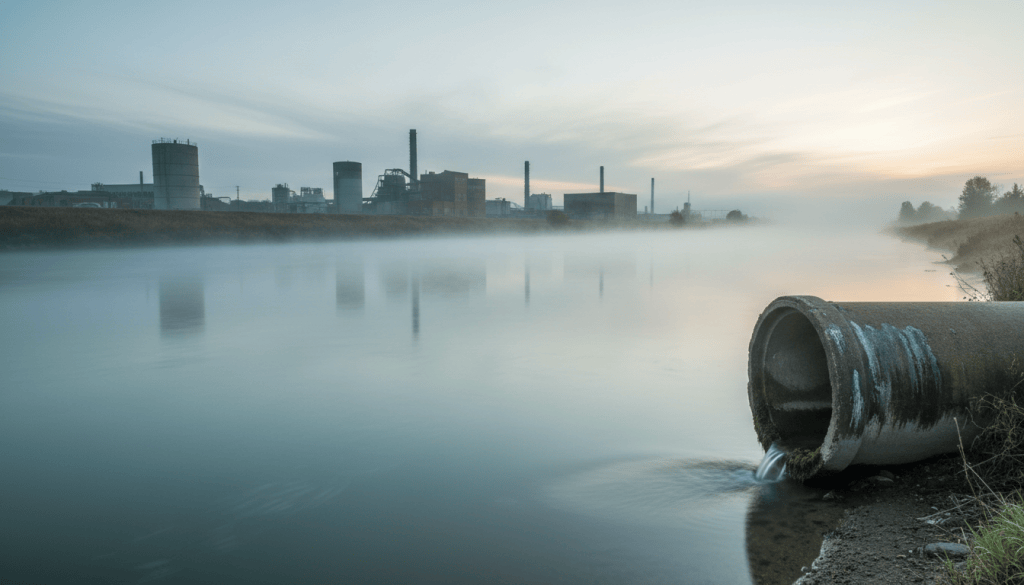
Criminal water pollution cases are rare next to DUI or drug charges, but the people caught up in them often have a great deal at stake: a career in plant operations, a family business, a professional license. Many first hear about a case when agents arrive with a search warrant or a grand jury subpoena lands on a desk. Their next step, almost always, is a search.
What they find tends to be thin. Agency press releases describe convictions, and a few law firm pages list penalties without much context. A defense firm that publishes clear, accurate and neutral resources on water pollution charges can help those readers understand where they stand and show the kind of experience they are looking for. This guide explains how to build those resources. It describes the law in general terms for marketing purposes and is not legal advice.
What this guide covers
- Who searches for information on water pollution charges
- The Clean Water Act provisions your pages need to explain correctly
- Related federal and state laws worth separate pages
- How investigations usually begin, explained without giving advice
- Tone, accuracy and the advertising rules
- Structuring and promoting a resource hub
Who is looking for this information
Most readers work in regulated industries. They include wastewater treatment operators, plant and facility managers, environmental compliance staff, construction and land development contractors, owners of small industrial businesses, ship officers and engineers, and the in-house lawyers who advise them. Family members search too.
Most are not charged yet. They have been interviewed, served with a subpoena, told they are a subject or target, or watched agents carry boxes out of the office. Some are employees afraid they will be blamed for a decision made above them. Their questions are practical: what law applies, how serious this is, whether they can be charged personally, and whether to talk to investigators.
Your resources should be written for that reader: educated, anxious and unfamiliar with criminal procedure.
The Clean Water Act penalties, stated accurately
Most federal water pollution prosecutions involve the Clean Water Act. The criminal provisions are in 33 U.S.C. 1319(c), and they set out tiers that a good resource page should explain plainly.
- Negligent violations: a first conviction carries a fine of $2,500 to $25,000 per day of violation, up to one year in prison, or both
- Knowing violations: a first conviction carries a fine of $5,000 to $50,000 per day of violation, up to three years in prison, or both
- Knowing endangerment, where a person knows the violation places another person in imminent danger of death or serious bodily injury: up to $250,000 and 15 years for an individual, and up to $1,000,000 for an organization
- False statements in required reports and tampering with monitoring devices: up to $10,000 and two years for a first conviction
Higher maximums apply to repeat convictions in each tier. The statute also defines “person” to include any responsible corporate officer, which is often the question managers care about most.
Two points of interpretation deserve careful, sourced explanation. The negligence tier has been read by the Ninth Circuit, in United States v. Hanousek (1999), to require only ordinary negligence, and the Supreme Court declined to review that case. And several federal appeals courts have read “knowingly” to require knowledge of the conduct, not knowledge that the conduct broke the law. Present these as what courts have held, cite the cases, and note that the law can differ by circuit.
Related laws that deserve their own pages
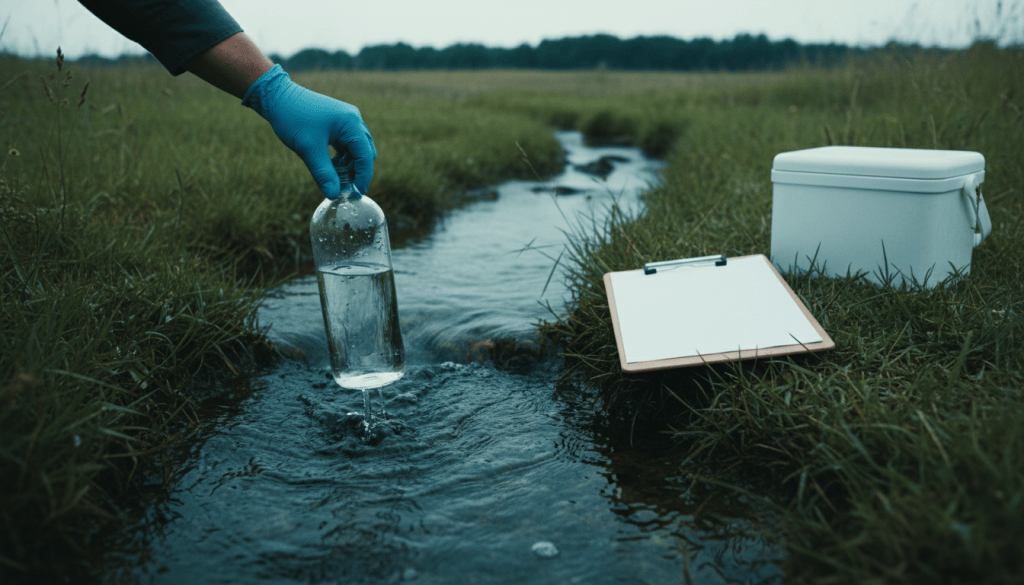
Water pollution cases don’t always run under the main Clean Water Act provisions. Separate, accurate pages on related laws help readers find the one that matches their situation.
- Oil and hazardous substance discharges: under 33 U.S.C. 1321(b)(5), a person in charge of a vessel or facility must report certain discharges right away, and failing to do so can bring up to five years in prison
- Wetlands: filling or dredging wetlands without a required permit from the Army Corps of Engineers can lead to criminal charges, and these cases often involve farmers, builders and landowners
- Ship pollution: the Act to Prevent Pollution from Ships covers oily waste discharges and false record books on vessels, and these cases often begin with crew members reporting violations
- Pretreatment violations: businesses that send wastewater to a municipal treatment plant must meet pretreatment standards, and violations can be charged
- State law: many states run their own permit programs and have their own environmental crimes statutes, which state prosecutors use alongside or instead of federal law
Each page should name the statute, explain in plain words what conduct it covers, and say clearly that whether it applies depends on the facts.
Jurisdiction and recent changes
A resource on water pollution charges has to deal with the question of which waters are covered. In Sackett v. EPA, decided on May 25, 2023, the Supreme Court held that the Clean Water Act reaches only wetlands that have a continuous surface connection to other covered waters, so that the two are practically indistinguishable. That ruling narrowed federal reach in wetlands cases and continues to shape how agencies define “waters of the United States.”
The regulatory definition has changed several times over the past decade and may change again. Put a “last reviewed” date on every page that discusses jurisdiction, and avoid predicting how pending rules or cases will turn out. Note that state law may still apply to waters outside federal reach.
Explaining how investigations start
Readers want to understand the process they are in. A resource page can describe it in general terms without telling anyone what to do in their own case.
Federal environmental crimes are investigated mainly by the EPA’s Criminal Investigation Division, often with the Coast Guard Investigative Service in maritime cases, the FBI or state agencies. Prosecutions are handled by U.S. Attorney’s Offices, often working with the Environmental Crimes Section of the Justice Department’s Environment and Natural Resources Division.
Cases often begin with an employee report, a gap between discharge monitoring reports and what inspectors find, a spill or fish kill, or a routine inspection that turns up something serious. A civil enforcement matter can run alongside a criminal investigation, and the two can affect each other.
Explain what a search warrant, a grand jury subpoena and a target letter are, in plain language. Explain that people generally have the right to consult a lawyer before speaking with investigators, and encourage readers to get advice about their own situation. Stop there. The page should inform, and the consultation is where advice belongs.

Tone, accuracy and the advertising rules
Environmental cases attract strong feelings. Some readers see regulators as overreaching, and others see polluters as getting off lightly. A defense firm’s resource should take neither side. Describe the law as it is, treat environmental protection as a legitimate goal, and explain that the defense role is to make sure the government proves its case and that the client’s side is heard.
Avoid scare tactics, such as headlines warning that every manager is about to be indicted, and avoid minimizing language about pollution. Both undermine trust with the professional readers you want to reach.
These pages are lawyer advertising. ABA Model Rule 7.1 bars false or misleading statements, including statements that create unjustified expectations about results. Many states regulate how you describe past results and whether you can call yourself a specialist. Check your state bar’s rules, and don’t publish details of client matters without informed consent.
Structuring the resource hub
A good structure is one main page on water pollution criminal charges, linked to shorter pages on each topic. Possible pages include negligent versus knowing violations, false reporting and monitoring tampering, wetlands cases, oil and hazardous substance spills, ship pollution, pretreatment violations, and what happens during an environmental crimes investigation.
Add a short glossary covering terms like NPDES permit, discharge monitoring report, publicly owned treatment works and responsible corporate officer. Link to primary sources, such as the statute text and EPA’s own explanations, so readers can check what you say. Put an attorney byline and review date on each page, along with a short bio showing relevant experience.
Reaching the people who need it
Search is the main channel. People in these situations type specific phrases: “EPA search warrant at my plant,” “grand jury subpoena Clean Water Act,” “NPDES permit violation criminal.” Pages that use the same words in their headings and answer the question near the top have a real chance of ranking, because few firms cover these topics well.
AI assistants matter too. Compliance professionals may ask tools like ChatGPT or Perplexity to explain a statute before they call anyone, and clear, well-sourced pages are the kind of material those tools cite.
Professional channels help. Talks at industry association meetings, articles in trade publications and relationships with civil environmental lawyers who don’t handle criminal matters can all bring in readers and referrals. Avoid reaching out directly to people you learn are under investigation, which can run into the solicitation limits in ABA Model Rule 7.3 and state rules.
Questions defense lawyers ask about environmental crime content
Is there enough search interest to justify these pages?
Search volume is low compared with DUI or assault, but the people searching are often facing serious exposure, and competition for these terms is thin. A small set of strong pages can be worth more than another generic practice area page.
How much legal detail should the pages include?
Enough to be accurate and useful: statute citations, penalty ranges and the main court decisions. Leave out strategy for specific situations, which belongs in a consultation.
Should we write about current enforcement cases?
Describing publicly reported cases in neutral terms can help readers understand how the law is applied. Avoid commenting on pending matters your firm is involved in, and stick to what court records and official releases say.
How often should the pages be updated?
Review them at least once a year and whenever a major court decision or rule change affects jurisdiction or penalties. Update the review date each time.
This guide is part of SBD Marketing’s series on criminal defense marketing. SBD Marketing works only with criminal defense law firms, helping them publish useful pages on the charges they defend and get found in Google and AI search.
SBD Marketing · info@sbdmarketing.agency · Book a call: sbdmarketing.agency/scheduling · Serving criminal defense law firms across the USA · sbdmarketing.agency


Leave a Reply